
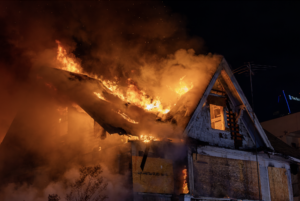
Watching a fire damage your home or business is an incredibly traumatic experience. Once the fire trucks leave and the smoke clears, you face a frightening and overwhelming reality. A fire leaves behind severe structural vulnerabilities, exposed entryways, and emotional exhaustion. However, the actions you take immediately following the disaster heavily influence the success of your long-term recovery.
The first 24 hours are critical for protecting your remaining assets and laying the groundwork for restoration. Leaving a burned building exposed invites secondary damage from weather and opportunistic thieves. This guide walks you through the exact steps you need to take right after a fire.
What You Should Do to Protect Your Home or Business After a Fire:
Prioritize safety and get official clearance. Never enter a fire-damaged building until the fire department gives you explicit permission. The flames might be gone, but unseen dangers remain. Structural supports weaken rapidly during a blaze. Roofs can cave in, and weakened floors can collapse under your weight.
Furthermore, fires often leave behind toxic residues and compromised utility lines. A lingering spark or exposed wire can easily trigger a secondary emergency. Wait patiently for the fire marshal or commanding officer to declare the site safe for a brief entry. Even when they give the green light, proceed with extreme caution and wear protective gear like thick boots, gloves, and a mask.
Contact Your Insurance Company Immediately
Your insurance provider needs to know about the fire right away. Call your agent or the company’s emergency claims hotline as soon as you have a safe moment. Initiating the claim early assigns you an adjuster and sets the financial recovery wheels in motion.
When you speak with the representative, ask exactly what you need to do to fulfill your policy obligations. Most insurance policies require property owners to take reasonable steps to prevent further damage. This is known as the duty to mitigate. Failing to board up broken windows or tarp a damaged roof could result in denied claims if a rainstorm causes additional water damage the next day.
Take extensive photos and videos of the exterior of the property. Document the visible damage from multiple angles. This visual evidence provides a clear baseline for your insurance adjuster before any cleanup or boarding services begin.
Bring in Emergency Board-Up Services
Firefighters often have to break windows, bash down doors, and cut large ventilation holes in roofs to put out the blaze. This necessary destruction leaves your property wide open. Hiring a professional emergency board-up service is the single most important step you can take to secure the site.
Protect Against the Elements
An open building is entirely at the mercy of the weather. Rain, snow, and high winds will easily enter through broken windows and damaged roofs. Because firefighters use hundreds of gallons of water to extinguish the flames, your property is already highly susceptible to mold growth. Adding fresh rain to the mix creates an absolute disaster.
Professional board-up teams use heavy-duty plywood and secure mounting techniques to seal off these breaches. They also apply thick, waterproof tarps to roof holes. This immediate weatherproofing keeps the interior dry and stops secondary water damage in its tracks.
Deter Looters and Vandals
Unfortunately, a damaged, vacant property attracts the wrong kind of attention. Looters often target homes and businesses immediately after a fire, knowing the occupants are gone and the entryways are open. Securing your valuables requires more than just locking a damaged door.
A professional board-up creates a strong physical barrier that deters criminals. Emergency service crews install materials tightly so they cannot be easily pried off from the outside. This physical security gives you profound peace of mind when you have to leave your property to sleep elsewhere.
Secure the Perimeter with Temporary Fencing
Sometimes the damage extends well beyond a few broken windows. If a significant portion of your property is destroyed, you need to establish a clear boundary around the hazard zone. Temporary fencing provides an essential layer of security and liability protection.
A burned building is full of sharp debris, shattered glass, and unstable structures. If an overly curious neighbor or a trespassing individual wanders onto your property and gets hurt, you could face massive liability issues. Erecting a sturdy temporary fence keeps unauthorized people out. It also provides a safe, designated workspace for the contractors and insurance adjusters who will visit the site in the coming days.
Ensure Proper Building Stabilization
Heat affects building materials in drastic ways. Wooden beams char and lose their load-bearing capacity. Steel supports can warp and bend under extreme temperatures. A building that looks somewhat normal from the outside might actually be on the verge of a structural collapse.
Emergency construction professionals assess these hidden dangers immediately. If they detect structural weaknesses, they will implement building stabilization techniques. This involves installing heavy-duty temporary shoring, wooden bracing, and specialized supports to hold the roof and walls in place.
Stabilizing the building prevents catastrophic collapses. It ensures the property remains standing so that fire investigators, insurance adjusters, and restoration crews can do their jobs safely inside the structure.
Coordinate with Fire Restoration Teams
Securing the physical structure paves the way for the cleanup process. Fire restoration is a highly specialized field. It involves removing smoke odors, mitigating deep water damage, and tearing out unsalvageable materials.
Connect with a reputable fire restoration company within the first 24 hours. Because you have already boarded up the windows and stabilized the building, the restoration team can hit the ground running. Share the contact information of your board-up service with the restoration crew. When these professionals collaborate, your recovery timeline shrinks significantly.
Gather Essential Documents and Necessities
If the fire department explicitly clears you to enter a designated safe zone of the building, move quickly to retrieve essential items. Do not try to move heavy furniture or large electronics. Focus entirely on small, irreplaceable, or immediately necessary items.
Look for identification documents, passports, birth certificates, and insurance paperwork. Grab any daily medications, eyeglasses, and basic toiletries you will need for the next few days. If you can quickly locate laptops, external hard drives, or small lockboxes, take them with you. Leave everything else behind. Your safety is worth far more than any physical possession.
Get Protection For Your Home or Business with Boston Board Up Today!
Contact us on our website or call us at (800) 949-9113.

