
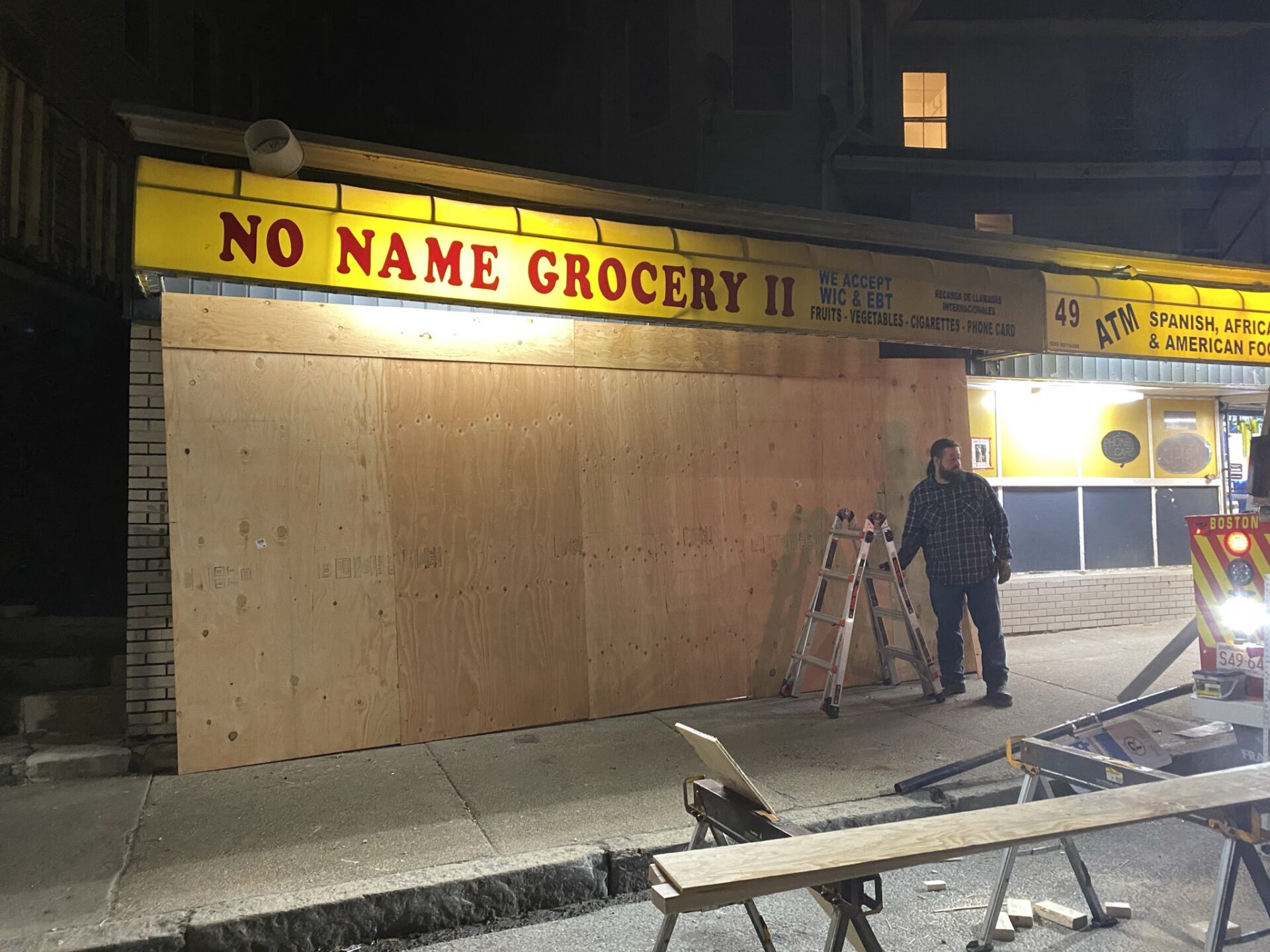
You arrive in the morning and find a shattered storefront window, a forced door, or glass across the floor. Your stomach drops, and the first question is usually the same: how long are we going to be closed?
For most businesses, every closed hour means lost sales, frustrated customers, and idle staff. The good news is that a break-in or broken window doesn’t have to shut you down for days. With a clear plan and the right emergency help, many businesses can secure the property fast and get back to serving customers.
Here’s a step-by-step guide to protecting your property, handling the paperwork, and keeping your doors open.
1. Put Safety First
Before anything else, make sure no one is at risk.
Call 911 if you suspect the intruder may still be inside, and wait outside until police say it’s clear. Don’t walk through broken glass or touch the scene until officers have taken their report, and keep staff and customers away from the damaged area, since loose glass and compromised frames can cause injuries.
A police report is also important later. Most insurers will ask for it when you file a claim.
2. Document Everything Before Anything Is Moved
Once it’s safe, take photos and video of the damage from several angles.
Be sure to capture the broken window, door, or entry point; damaged or missing inventory, equipment, and cash drawers; any glass, debris, or tools left behind; and any water or weather damage that has already started.
Write down the date and time you discovered the damage, and keep a list of what’s missing. Thorough records make the insurance process much smoother. Our guide on how to secure your property after a fire walks through documentation steps that apply to break-ins too.
3. Call an Emergency Board-Up Service Right Away
This is the step that makes the biggest difference to your reopening timeline.
Glass replacement can take days, depending on the size of the window, custom framing, or supply availability. Until the permanent repair happens, your building is exposed to weather, theft, and further vandalism. That’s where emergency board-up services come in.
Here’s what a professional crew handles.
They clear hazardous glass from the opening, cover and seal the damaged window or door with durable, secure materials, protect the interior from rain, wind, and snow, and restore security so the property isn’t an open invitation.
Boston Board Up operates 24/7, so you don’t have to wait for business hours. If you’re wondering what to expect on the call, see How Does a Board-Up Service Work?
A properly boarded opening means your inventory and equipment are protected tonight, and your team can start cleanup and recovery in the morning instead of waiting on a glass vendor.
4. Add Temporary Fencing If the Damage Is Bigger Than One Window
Sometimes a break-in involves more than a single entry point, such as a damaged storefront, a compromised loading area, or an unsecured lot. In those cases, temporary fencing can seal off the affected area, direct foot traffic, and keep the public away from hazards while the rest of your business keeps running.
It’s especially useful for businesses with shared entrances, parking areas, or multi-tenant buildings, where one damaged section shouldn’t close everything.
If the damage involves structural issues, such as a cracked frame, a weakened wall, or a vehicle impact, ask about building stabilization so the structure is safe before anyone goes back in.
5. Notify Your Insurance Company and Landlord
Contact your insurer as soon as possible, ideally the same day. Have your police report number, photos, video, and list of damaged or stolen items ready, along with invoices or receipts for the emergency board-up.
If you lease your space, notify your landlord or property manager too. Lease terms often spell out who is responsible for window repair and security. Check your own policy and lease for specifics, since coverage and responsibilities vary.
It’s also worth asking your insurer how emergency securing costs are handled. We work with a range of insurance partners and can provide the documentation you’ll need.
6. Communicate Early With Customers and Staff
Silence costs more than disruption. Let people know what happened and what to expect.
Update your website, Google Business Profile, and social media with revised hours or reopening plans. Post a clear sign at the entrance if you’re open but using an alternate door. Message your team with updated schedules and instructions, and reassure customers that the property is secure and safe to visit.
A short, honest update (“We had a break-in overnight. We’re open with limited access through the side entrance”) tends to earn goodwill rather than lose it.
7. Find Creative Ways to Stay Open
When the main entrance is damaged, flexibility keeps revenue coming in. Depending on your business, a few options may work.
You can use a secondary entrance with clear signage, or offer curbside pickup or delivery while repairs are underway. You could also switch to appointment-only service for a few days, relocate a section of the business away from the damaged area, or run online orders and phone sales to keep income steady.
A securely boarded window can look surprisingly professional, and customers generally understand when a business is clearly handling a problem.
8. Schedule Permanent Repairs and Upgrade Your Security
Once the property is secure and your business is running, line up permanent repairs: glass replacement, door and frame repair, and any lock or hardware upgrades. This is also the right time to ask what made your building a target.
Consider upgrading to laminated or security glass, improving exterior lighting, adding or updating cameras and alarm systems, and reinforcing doors, locks, and frames. It’s also worth protecting your storefront from vehicle impact, which we cover in How to Protect Your Storefront from Vehicular Impact.
Properties that have been broken into once can be targeted again, and risk can rise after any disaster. Read Why Crime Risk Rises After a Disaster to understand why and how to stay ahead of it.
Quick Checklist: First 24 Hours After a Break-In
- Call 911 and wait for police clearance
- Take photos and video of all damage
- Get a police report number
- Call an emergency board-up service
- Add temporary fencing if needed
- Contact your insurance company and landlord
- Update customers, staff, and your online listings
- Arrange permanent repairs
Don’t Let a Break-In Close Your Doors! Contact Boston Board Up Today!
Visit us on our website or call us at 800-949-9113.

